Jump to a section
At a glance
Key takeaways
- 2–3 minute read Published: November 24, 2025 By Saif Chartered Accountants — Leading Audit Firm in Dubai
- The UAE Ministry of Finance has signed an addendum to the Multilateral Competent Authority Agreement. This agreement is about the automatic exchange of financial account information. This confirms that the UAE will adopt the en…
- CRS 2.0 aims to improve the global system for sharing financial information. It also seeks to tackle the growth of digital assets, e-money platforms, and crypto-based financial tools.
2–3 minute read
Published: November 24, 2025
By SAIF Chartered Accountants — Leading Audit Firm in Dubai
The UAE Ministry of Finance has signed an addendum to the Multilateral Competent Authority Agreement. This agreement is about the automatic exchange of financial account information.
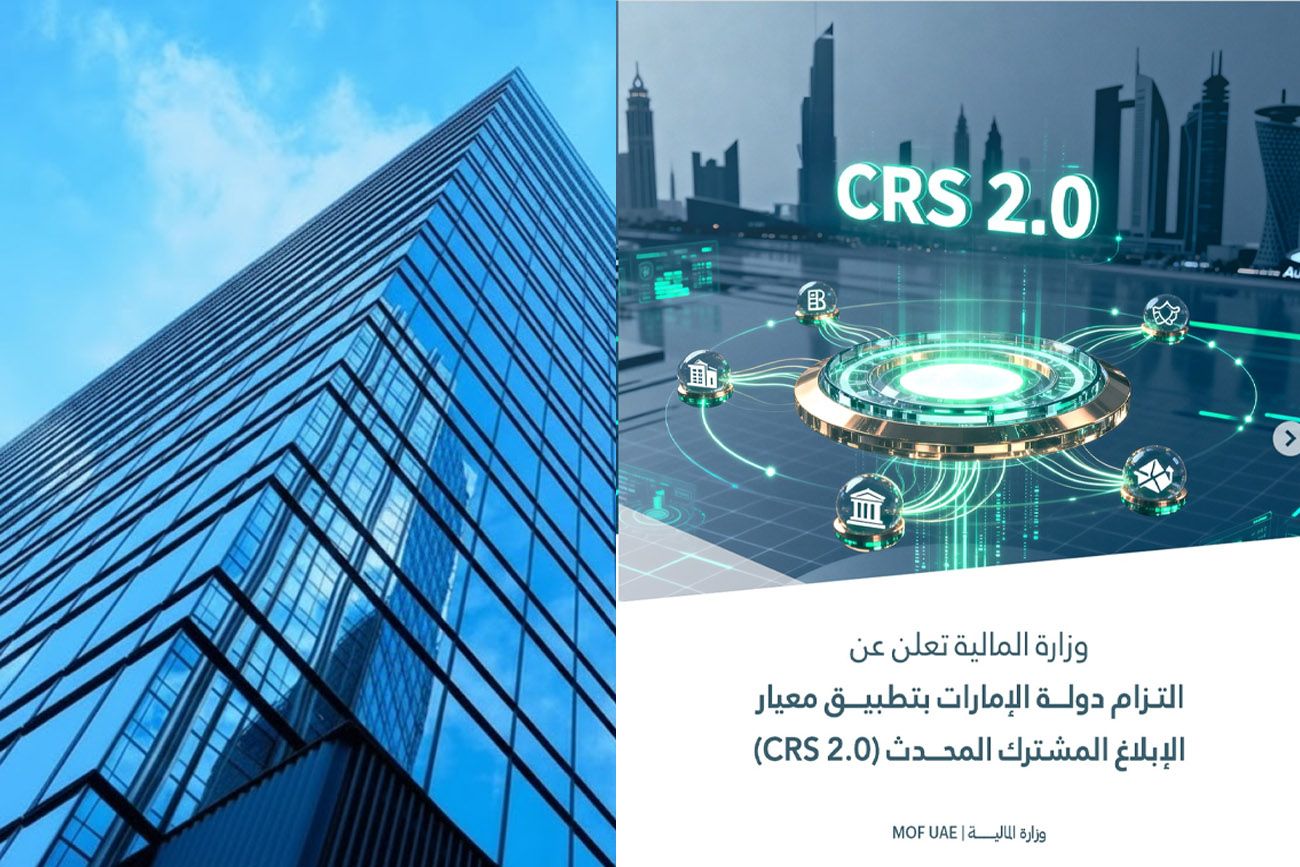
This confirms that the UAE will adopt the enhanced Common Reporting Standard — “CRS 2.0” — by 2027. This move aligns the country with OECD global tax transparency standards. As part of this transition, we can expect that the UAE Announces CRS 2.0 will significantly influence reporting practices.
CRS 2.0 aims to improve the global system for sharing financial information. It also seeks to tackle the growth of digital assets, e-money platforms, and crypto-based financial tools.
Key Highlights
UAE Announces CRS 2.0: What It Means for the Future
- UAE committed to CRS 2.0 as per OECD’s updated signatory list (as of 4 November 2025).
- First reporting under CRS 2.0 will take place in 2028 for the 2027 calendar year.
- Updates significantly impact banks, RFIs, fintechs, crypto-platforms, and businesses holding or managing digital assets.
- CRS 2.0 may bring new UAE businesses into scope, increasing compliance and reporting requirements.
Understanding CRS 2.0: What’s Changing?
CRS 2.0 introduces major updates across financial asset definitions, reporting rules, and due diligence procedures.
1. Inclusion of Digital & Electronic Money Products
New financial instruments now fall under Depository Account and other definitions, including:
- Specified Electronic Money Products (SEMP)
Digitally issued fiat-backed payment instruments accepted by third parties and redeemable at par. - Central Bank Digital Currency (CBDC)
Digital form of a country’s official currency issued by the Central Bank.
2. Crypto-Assets Introduced Into CRS 2.0
Under the expanded Investment Entity, Custodial Institution, and Financial Asset definitions, CRS 2.0 includes:
- Relevant Crypto-Asset
A digital representation of value using distributed ledger technology (non-CBDC, non-SEMP) used for investment or payment.
This is significant as crypto assets were previously outside CRS reporting obligations.
3. Expanded Reporting Requirements
Reporting Financial Institutions (RFIs) must now submit:
- Additional data fields
- Digital asset classifications
- Broader account-holder information
- Enhanced financial activity details
4. Strengthened Due Diligence Rules
CRS 2.0 requires:
- More rigorous verification of tax residency
- Identification of controlling persons
- Use of government verification systems
- Temporary alternatives for residency confirmation
- More detailed internal compliance checks
5. Updated Definitions & Interpretative Guidance
Key definitions expanded and clarified:
- Depository Institution
- Depository Account
- Investment Entity
- Financial Asset
Additionally, CRS 2.0 formally incorporates OECD FAQs and commentary as valid interpretative sources.

Why CRS 2.0 Matters for UAE Businesses
The updated standard reflects the global shift towards digital finance. For UAE companies—especially those in fintech, banking, digital payments, crypto services, and wealth management—the implications are substantial.
CRS 2.0 will:
- Bring new UAE businesses into CRS scope, including digital finance and e-money operators
- Increase reporting complexity, with new required data points
- Require compliance system upgrades for due diligence and reporting
- Trigger enhanced regulatory scrutiny from UAE regulators
For UAE RFIs, accounting firms, and audit firms in Dubai, preparing early is essential.
What Should UAE Businesses Do Now?
For Existing RFIs
- Conduct a CRS 2.0 Gap Assessment
Identify gaps in current compliance procedures before 2027. - Align FATCA + CRS + CRS 2.0 Projects
Unified compliance ensures smoother transition and lower cost. - Upgrade Technology Systems
Ensure platforms can accommodate:
Digital asset reporting
Enhanced due diligence
Expanded data fields
For UAE Businesses Newly in Scope
- Perform an Impact Assessment
Determine if your business falls under CRS 2.0 definitions (especially if you deal with e-money or crypto-assets). - Build a 2026 Implementation Plan
Include:
Governance & policy updates
Onboarding documentation refresh
Staff training
Technology readiness
Monitoring & internal audit processes
The CRS 2.0 rollout is a major change in financial transparency. This is one of the biggest shifts since the original CRS framework started. UAE businesses—especially those operating within digital finance—must take early steps to ensure readiness by 2027.
As leading auditors in Dubai, SAIF Chartered Accountants supports businesses across the UAE with:
- CRS / FATCA Compliance
- Corporate tax Advisory
- Financial Reporting
- Governance & Risk Frameworks
- Regulatory Reporting Assistance
Early preparation ensures smoother adoption and avoids compliance risks.
Authority and verification
Official sources
- UAE Ministry of EconomyAnti-Money Laundering legislation and guidanceChecked 21 August 2026